Best Time to Visit Tarangire National Park
The scenic Tarangire National Park is a hidden gem where vast herds of elephants, majestic baobab trees take your attention with their imposing presence, and diverse habitats prevail. The best time to visit Tarangire National Park is during the dry season, from July to October.
This season offers incredible sightings of large concentrations of elephant and other iconic wildlife gathering near the Tarangire River. The dry season is a popular tourist season, featuring warm and sunny weather, sparse vegetation cover, and fantastic game viewing. November to May is the milder wet season when Tarangire is scenic, lush and green, and the landscapes are bursting with wildflowers. For bird enthusiasts, this season will delight you in many additional migratory visitors.

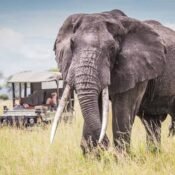
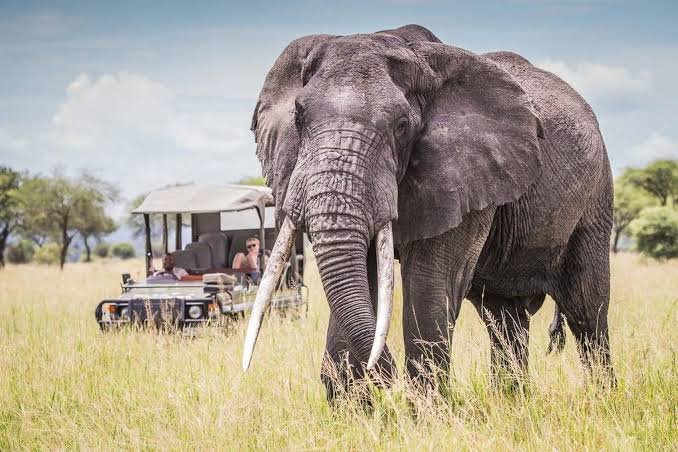
Herds of elephants congregating on the Tarangire River to drink water
Tarangire Seasonal Overview
June To September
In early June, Tarangire is green and lush after the long rains, with an abundance of water and thick vegetation. The rain has stopped and, from here on in, water will become an increasingly scarce commodity as the dry season takes on. By the end of June, the park is already beginning to transform as the vegetation thins and it becomes easier to spot wildlife.
Late June is an excellent time to travel to avoid both high season prices and increased tourist numbers. July marks the start of high season as the park enters its prime game viewing months. The Silale Swamp offers a permanent water source, attracting wildlife from a vast area surrounding the park and creating a wildlife spectacle.
Days are sunny and warm, offering excellent walking safari and game drive conditions. By September, the park is approaching its peak, as vegetation is very thin, grass is short and wildlife is plentiful.
October to January
The first two weeks of October often deliver the very best wildlife experience as Tarangire National Park is at its driest, large herds of elephant and buffalo are seen daily in the Silale Swamp, and predators capitalise on the staggering quantity of available prey clustered around watering holes.
By late October, the weather is beginning to change, seeing afternoon storm clouds starting to gather until eventually they burst, usually in early November. This marks the start of the short rains, a period that typically delivers afternoon showers lasting an hour or so. The showers refresh the landscape and the wildlife, creating excellent game viewing conditions in the late afternoon as the dust has been dampened and wildlife has been invigorated. The afternoon showers continue through to late December but do not detract from the safari experience.
By January, the short rains have come to an end, introducing a warm and clear couple of months. Migratory birds from Europe and Asia have begun to arrive, wildflowers are blooming, and the sense of renewal is strong after the rigours of the dry season.
February to March
February continues in the same way to January, offering excellent birding safari conditions against a beautiful backdrop of the refreshed national park. The days are sunny and warm, but the humidity begins to climb as March progresses and the long rains approach. Early March is usually still dry, but rainfall should be expected from mid-March onwards.
April through to mid-May is typically the wettest period, severely hampering road logistics and limiting game drive opportunities. Most camps close as a result of this, but there is accommodation to be found for those looking for an adventure at very affordable prices. Wildlife can be dispersed over this period, as there is an abundance of water and good grazing throughout the park and its surrounding areas.
By mid-May, the rains have usually subsided, leaving the park green and lush. The air is clear and free of dust after the rains, creating perfect lighting conditions for photography. Temperatures increase, and the annual cycle begins again.
Best Time for Wildlife Viewing in Tarangire National Park
June to October which is a dry season is the best time to visit Tarangire National Park and is a prime game viewing period. The park’s lifeline, the Tarangire River, draws thousands of animals to its permanent water source.
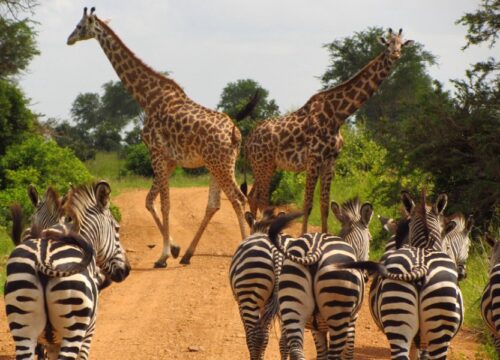
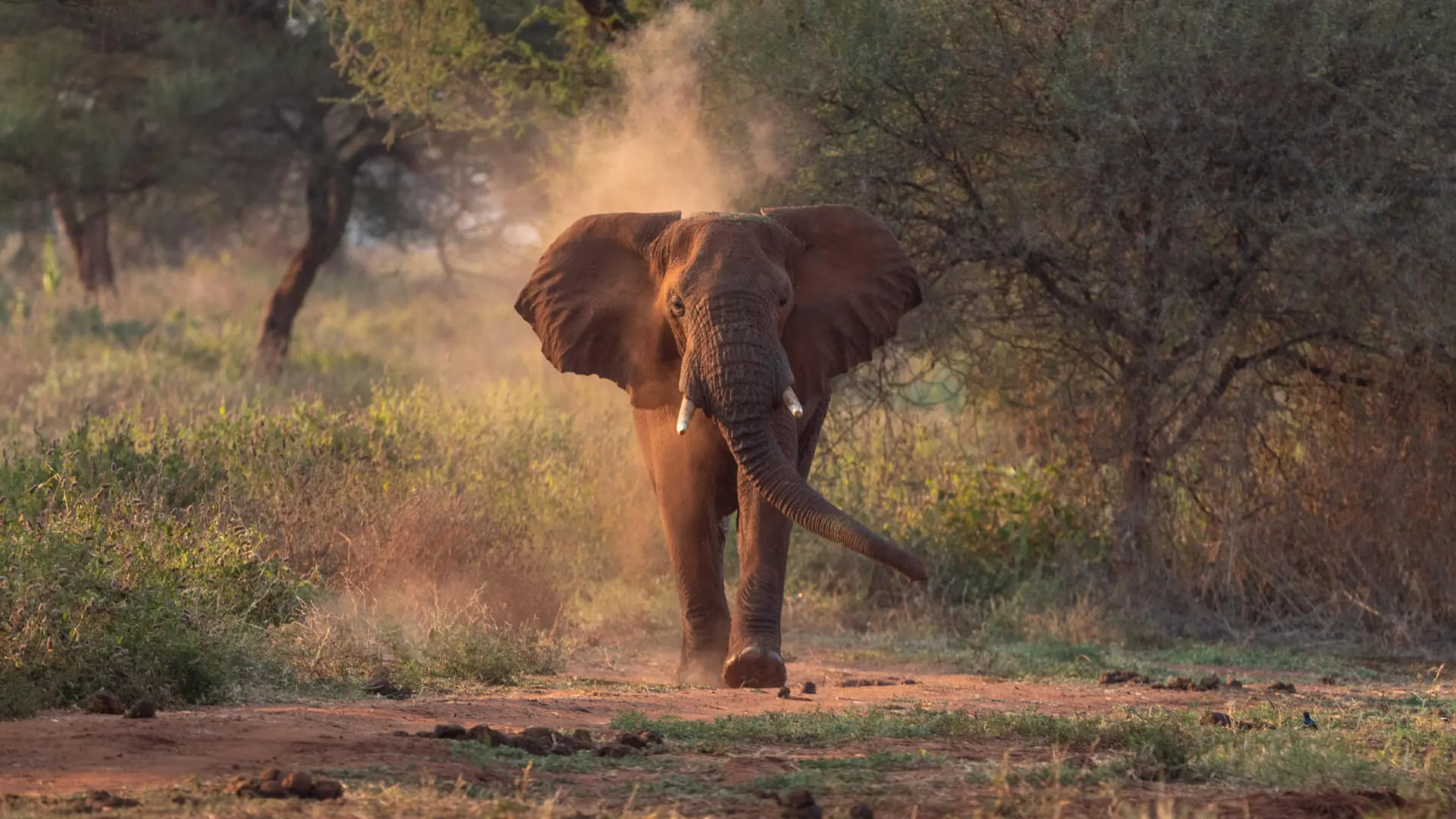
Marvel at the majestic elephants, some of the largest herds in Tanzania, spot big cats – cheetah, leopard, lion and more.
Best Time for Bird watching
The best time to visit Tarangire National Park for rewarding bird watching is during the wet and green seasons from November to May. Tarangire is a birder’s paradise as millions of migratory birds from different parts of Africa and Eurasia flock to the park, adding to the diversity of beauty of the resident birds.
Some of the most spectacular visitors are the pink – backed pelican, great while pelican, and yellow – billed stork. Other notable migrants include spotted crake, red – throated pipt, and the rufous – tailed weaver. Also, Tarangire National Park is home to endemic and near – endemic birds such as ashy starling, yellow –collared lovebird and northern pied babbler.