Ngorongoro Conservation Area
Ngorongoro Conservation is recognized as one of Africa’s Leading Tourist Attractions, home to the highest concentration of wildlife in Africa including the Big Five as well as the famous Maasai tribe.
Ngorongoro Conservation Area is an awe-inspiring safari destination ranking among the top safari destinations in Africa, alongside famous safari locations such as Serengeti National Park, Masai Mara, Kruger National Park, Etosha and the Okavango Delta. It is also recognized as Tanzania’s third UNESCO World Heritage Site and the eighth Wonder of the World, offering a rich cultural heritage, fascinating wildlife and stunning landscapes.
Spanning from Serengeti National Park in the north, to the Great Rift Valley in the east, Ngorongoro Conservation Area covers more than 8,000 square kilometers, consisting of the Ngorongoro Crater, Ndutu, Oludvai Gorge, Empakaai, Olmoti Crater and Oldonyo Lengi Mountain. The crater’s mix of forests, valleys, savannah, craters, lakes and swamps is home to a wide range of animals.
Exploring Ngorongoro Crater
Located in the north of Tanzania, Ngorongoro Conservation Area is home to the impressive Ngorongoro Crater – the main attraction. The area spans 8,300 square kilometers, supporting traditional Maasai communities, and promotes sustainable tourism. Visitors can witness the Maasai people grazing their livestock on the savannah plains.
The Ngorongoro Crater is surrounded by smoking volcanoes and borders the north and west of the conservation area, connecting it to Serengeti National Park. The crater, which collapsed on itself, was once a volcano that was likely taller than Kilimanjaro. Now, it forms a perfect basin.
Entering Ngorongoro Crater, visitors will feel like they are in a soup bowl with steep sides. The basin, with a diameter of 18 kilometers sits 500 meters (1,640 feet) below the rim, which towers about 2,200 meters above sea level. Ngorongoro Crater is estimated to have formed two million years ago and features various landscapes and natural features, including forests, peaks, craters, valleys, rivers, lakes and savannah plains. The Olduvai Gorge – the most significant archaeological site in Africa is located within the Ngorongoro Conservation Area, a few kilometers north of the crater.
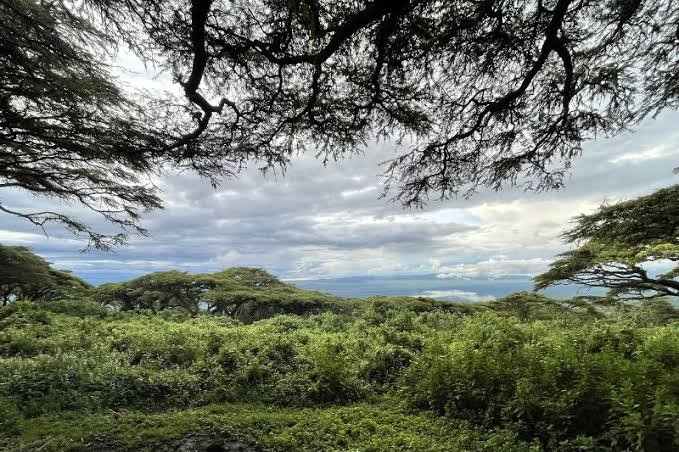
The journey into the Ngorongoro Crater begins in the forest, which looks like a rainforest and relies on the abundant mist and drizzle from the crater. However, the experience can be marred by the number of safari vehicles that enter the crater at opening hours, creating dusty conditions. Once visitors have passed the crowds, the beauty of the crater gradually reveals itself.
The Ngorongoro Conservation Area is also home to a lush highland forest that appears to be a rainforest, depending on the regular and abundant mist and drizzle from the Crater.
Wildlife in Ngorongoro Conservation Area
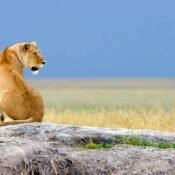
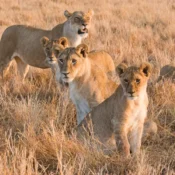
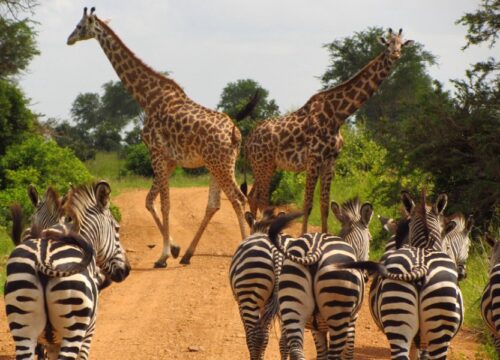
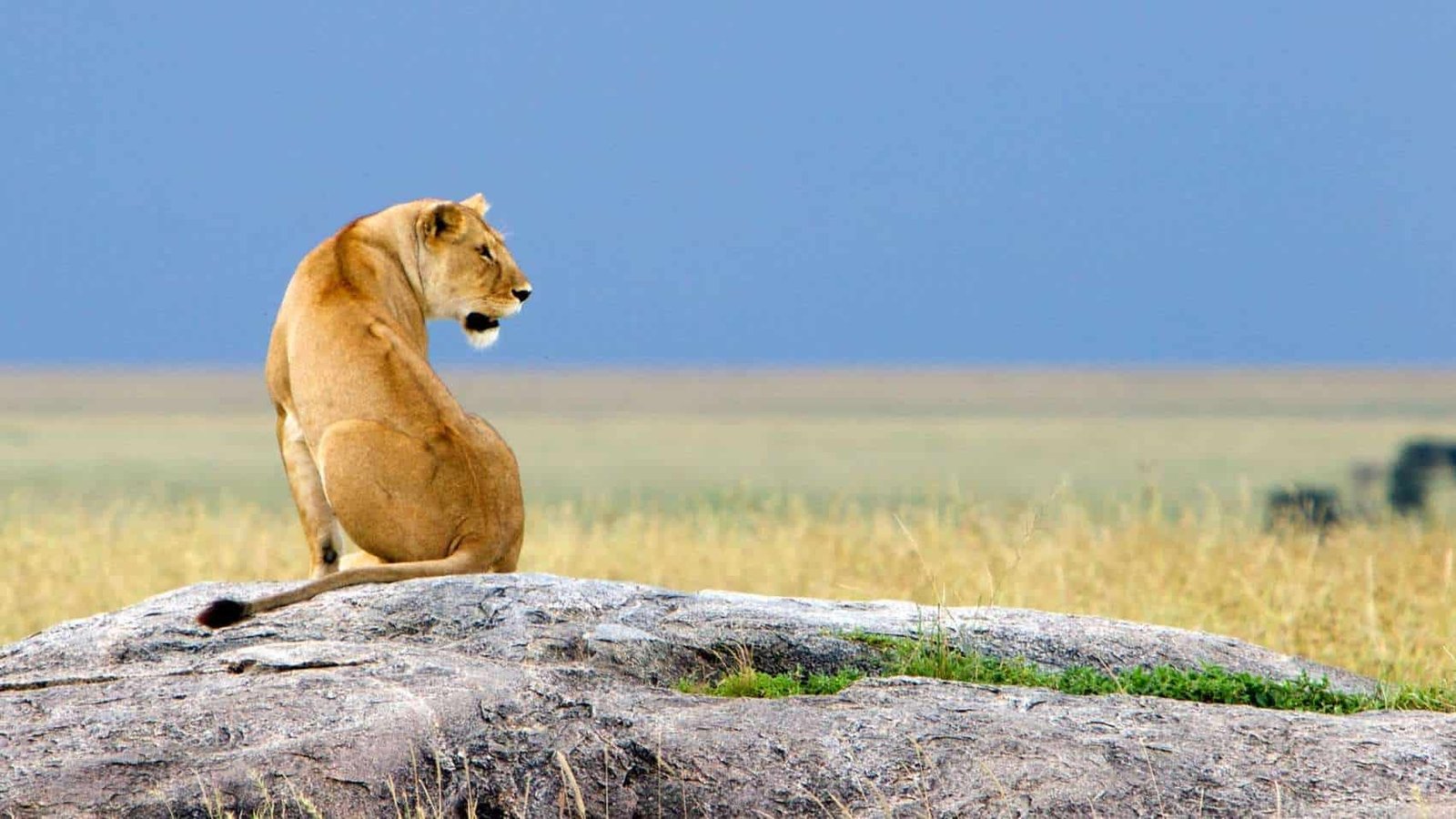
Most common animals in Ngorongoro Conservation Area include rhinos, hippos, lions, grant gazelles, Thomson gazelles, zebras, elephants, jackals, highland antelopes, wildebeests among others.
Ngorongoro Crater – a Natural Wonder
The Ngorongoro Crater is the most famous feature of Ngorongoro Conservation Area. Two to three million years ago, the large volcano exploded and collapsed on itself. As a result, the crater formed, which then created a unique ecosystem with a wide variety of vegetation.
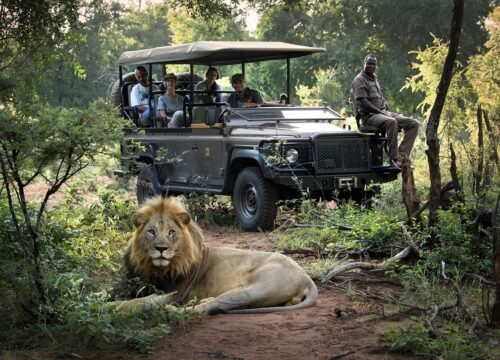
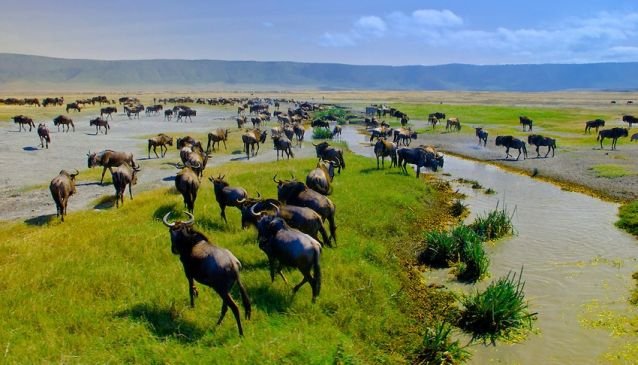
Today, Ngorongoro Crater is home to the highest concentration of wildlife in Africa. It is home to zebras, elephants, warthogs, elephants, flamingoes, hippos and ostriches. Also, you can find a high population of predators including lions, hyenas, jackals, cheetahs, and leopards. The Big Five (lion, leopard, buffalo, hippo and elephants) is the main attraction of Ngorongoro Crater. You can see them all in this 12.5 miles wide and 600 meters (2,000 feet) deep crater. During the game drives on the crater floor, enjoy incredible sightings of a variety of animals and beautiful colors of the landscape. Because of its natural beauty, the crater is chosen as one of Africa’s Seven Natural Wonders.
The Maasai Tribe
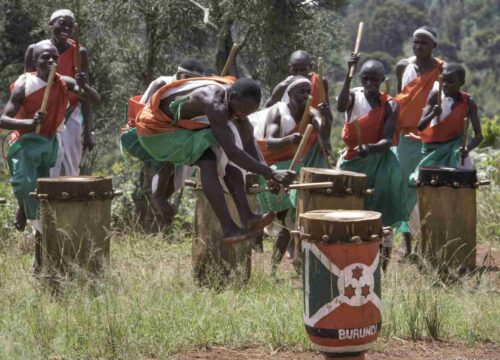
During your Ngorongoro Safari, it is also possible to visit the fascinating Maasai tribe. They are the original residents of the region and are allowed to let their livestock graze in this area. If you are interested in learning more about the lifestyle and rituals of this fascinating tribe, we recommend you to book a Maasai Tour as part of your Tanzania safari itinerary to Ngorongoro Conservation Area.
Safari Activities to Do in Ngorongoro Conservation Area
- Game Viewing
- Guided Nature Walks
- Community an Cultural Visits
- Bird WATCHING
- Exploring Olduvia Gorge
- Hiking a Empakaai Crater
Getting There and Around
Most travelers on a Tanzania safari visit Ngorongoro Conservation Area as part of a more extended safari package, include Serengeti National Park further northwest. The conservation area lies conveniently on the northern safari circuit. It is only three-hour drive on a tarred road from Arusha, the starting point for most Tanzania safaris
From Arusha, you can hop around the northern circuit parks by light aircraft on chartered or scheduled flights, or you can drive 180km from Arusha and do the whole safari circuit by 4×4 car.
Flying into Serengeti and drive back via the Ngorongoro Crater is the popular way to get to Ngorongoro. Usually, your tour operator will pick you up from the airport.
Time Travel to Ngorongoro Conservation Area
- Arusha to Ngorongoro Conservation Area – 3 hours
- Ngorongoro Conservation Area to Serengeti National Park – 2 hours
- Ngorongoro Conservation Area to Lake Manyara – 1 hour
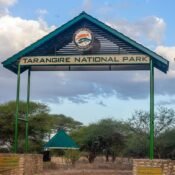
- Ngorongoro Conservation Area to Tarangire – 2 hours
When to Go on a Safari to Ngorongoro Conservation Area
The rainy season of April and May is one of the best times to visit Ngorongoro Conservation. Although the roads get muddier, the safari vehicles are well – equipped to cope. During this season, the crater and the surrounding highlands are lush and green. Often with wildflowers blooming in May.
Also, there are fewer visitors and vehicles, the wildlife and birding are excellent, and you will benefit from reduced safari prices. July to September is a high tourist season, and significant more vehicles during the dry season.
Where to stay in Ngorongoro Conservation Area
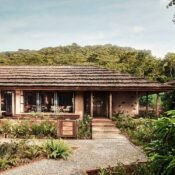
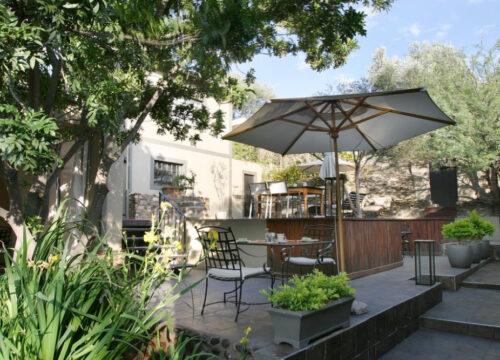
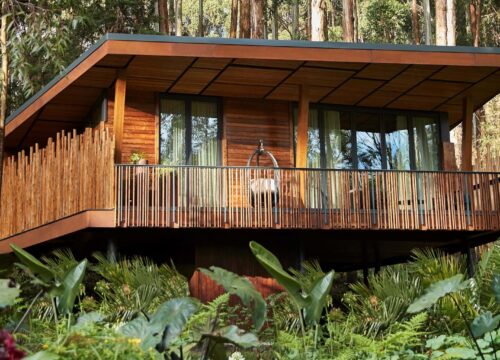
Ngorongoro Conservation Area is home to a wide range of accommodation options ranging from luxury, midrange to budget options.
- Gibbs Farm
- The Highlands
- The Manor House
- Ngorongoro Crater Lodge
- Ngorongoro Serena Safari Lodge
- Bougainvillea Safari Lodge
- Ngorongoro Farm House
- Plantation Lodge
- Lemala Ngorongoro Tented Camp