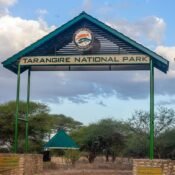
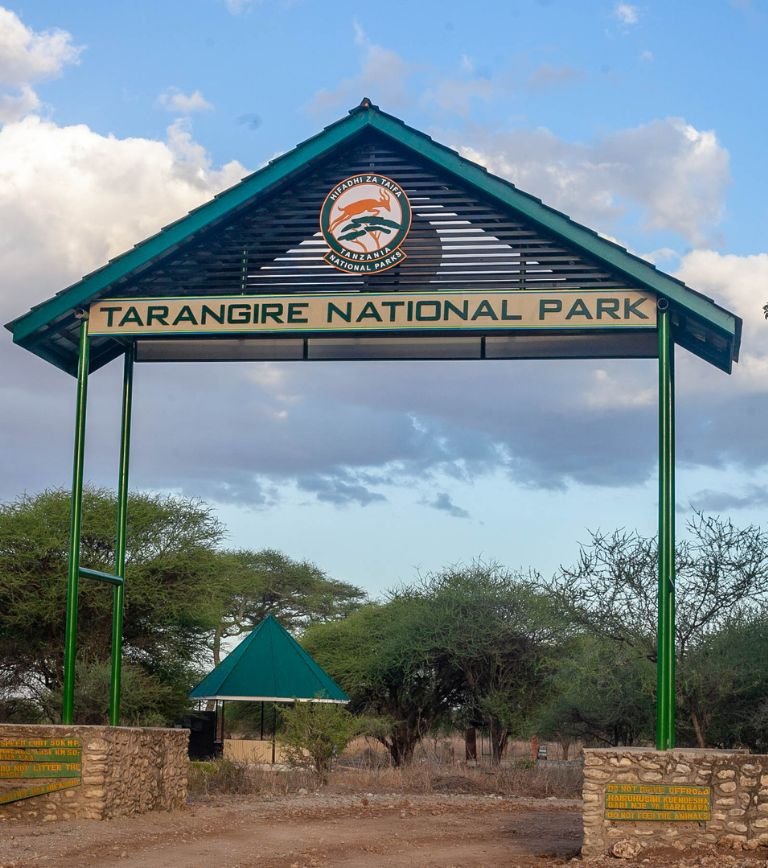
Tarangire National Park
The Land of Elephants, Iconic Baobabs and Breathtaking Landscapes
Most travelers on a safari to Tanzania head to the world-famous Serengeti and Ngorongoro Conservation area, missing out of Tarangire National Park, one of the most rewarding safari parks in the country.
Tarangire National Park is famous for hosting the largest concentration of elephants in the world, here you can see herds of up to 300 elephants around the Tarangire. The river is the primary source of fresh water for the animals. During the dry season, the come to drink or just to enjoy a bath to cool off from the hot. During the end of the dry season, elephants dig into the riverbed to reveal underground water, or are looking for Baobab trees to quench their thirst.
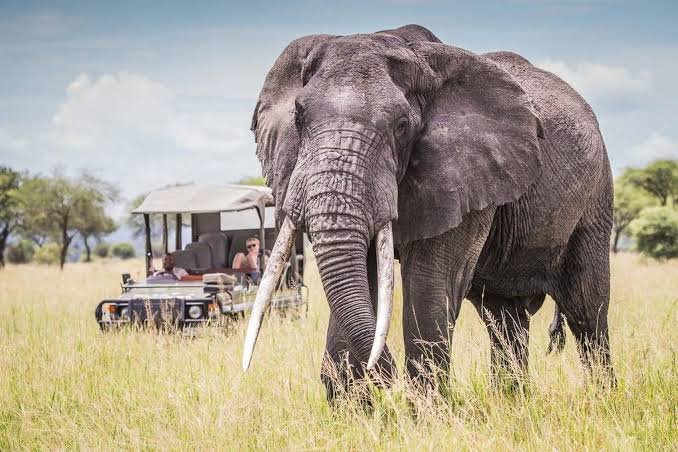
One the Tuskers of Tarangire National Park
Common Animals in Tarangire National Park
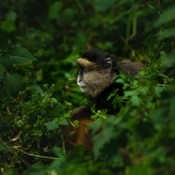
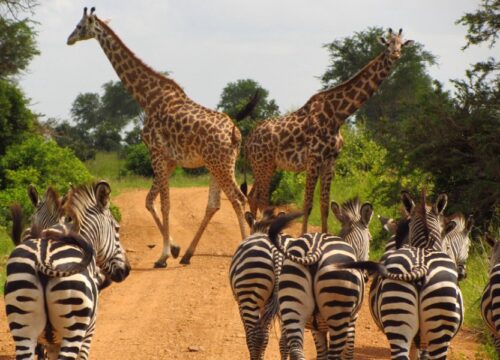
Tarangire National Park is known for the largest concentrations of elephants in the world, however it is also home to giraffes, zebras, wildebeests, ostriches, leopards, lions, cheetahs, pythons, monkeys, buffaloes among others.
Birds in Tarangire National Park
Tarangire National Park is a great bird watching destination with more than 500 species recorded, the park is home to several dry-country species such as the northern pied babller and vulturine Guinea fowl.
Other bird species found in the park include African grey flycatcher, Ashy starling, Bare-faced go-away-bird, Common ostrich, Donaldson Smith’s nightjar, Great white pelican, Mouse-coloured penduline tit, Northern pied babbler, Northern white-crowned shrike, Pink-breasted lark, Rufous-tailed weaver, Slate-coloured boubou, Von der Decken’s hornbill, Vulturine guineafowl and Yellow-collared lovebird among others.
Why Visit Tarangire
Despite its magical attractions and easy accessibility, Tarangire National Park is the least – visited destination on the Tanzania Northern Safari Circuit. However, do not let this distract you, a Tarangire safari at the right time of the year, deliver some of the best game viewing safari in Tanzania.
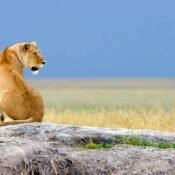
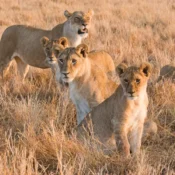
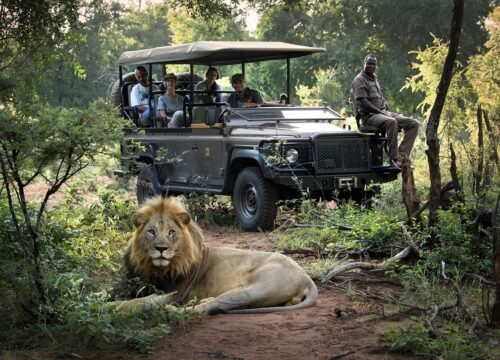
Tarangire National Park is best known for its elephant herds, tree climbing lions and the iconic baobab trees, the park is home to all the classic African savannah species plus a few unusual ones such as the long – necked gerenuk that you won’t see in the Serengeti. It is home to all the big predators with over 550 species of birds recorded. Tarangire is a haven for bird watchers.
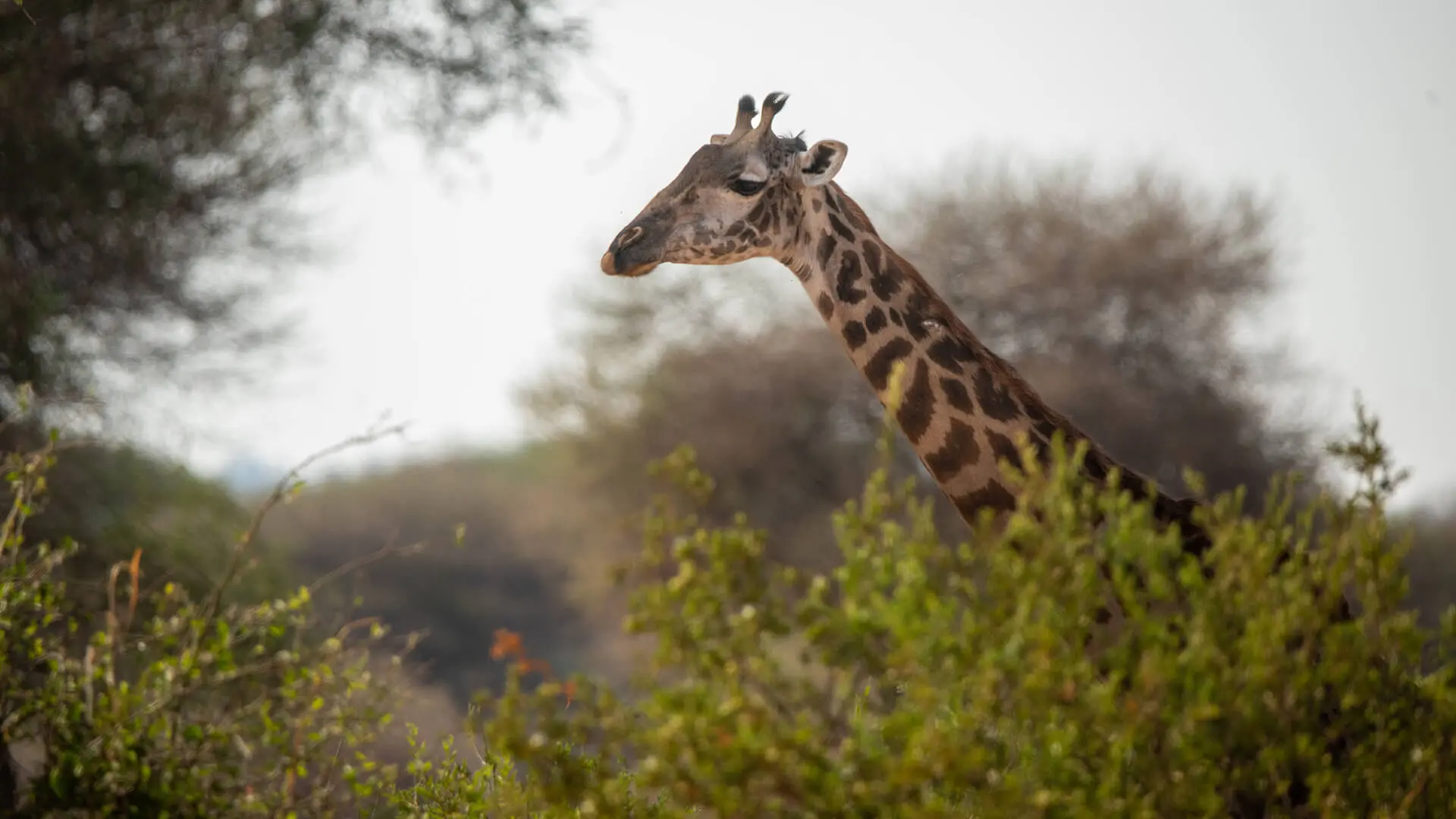
Tarangire National Park
Safari Activities in Tarangire National Park
Walking Safari and Night drive in Private Concession
Walking safaris and night drives in Tarangire National Park are usually in selected private concessions bordering the park, but not inside the national park itself. These activities complete change the scale of the safari.
On foot, your guides read spoor, plants, wind and sounds.
When the sunsets, a different Tarangire appears, with nocturnal species, moving through the beam of a spotlight under a sky sharp with stars. Pairing Tarangire game drives with private concession activities gives the journey its full range.
Game Drives
Game viewing in Tarangire National Park is at its best during the season in which the Tarangire River becomes the hotspot for this activity. Herds of elephants dig for ground water in the sand, crocodiles lie low in shallow pools and lions watch the movement of prey from the shade.
Herds of elephants gather, separate and regroup along the riverbanks, while your guide reads the small shifts in behavior that tell you where the next moment may unfold. During the game drive, other wildlife species to lookout for include Fringe – eared orxy and gerenuk, tree climbing lions, zebras, giraffes among other animals.
Visit Maasai Village
Immerse yourself in the culture, vibrant colors and traditions of the Maasai people. On this experience, journey through time and experience how these people used to live a satisfying and simplest way of life. Learn about their survival skills and what their everyday life looks like in and around their village homes.
A cultural encounter to the Maasai Bomas is a unique experience you don’t want to miss on your Tanzania Safari.
Hot air balloon safari
A balloon safari in Tarangire National Park will make your Tanzania safari a memorable experience. Rise at sunrise and gently float over the savannah plains flowing the Tarangire River, floating at treetop height above the baobab and acacias so that you can see the animals.
Watch the wildlife below from your balloon which is a fascinating and peaceful experience that comes with breathtaking panoramic views. The balloon safari ends with a champagne breakfast served in the bush under an acacia tree.
Go Birdwatching
With more than 500 recorded bird species, Tarangire National Park is one of the best birdwatching destinations in Tanzania. Some of the birds to lookout for include Yellow-collared lovebirds, Von der Decken’s hornbills, kori bustards, and strong raptor sightings among others. Migratory species arrive between November and April.
You do not need to be a serious birdwatcher to appreciate birdwatching in Tarangire National Park. Here, birds are often impossible to ignore, especially in the green season when whole region seems louder, brighter and more alert.
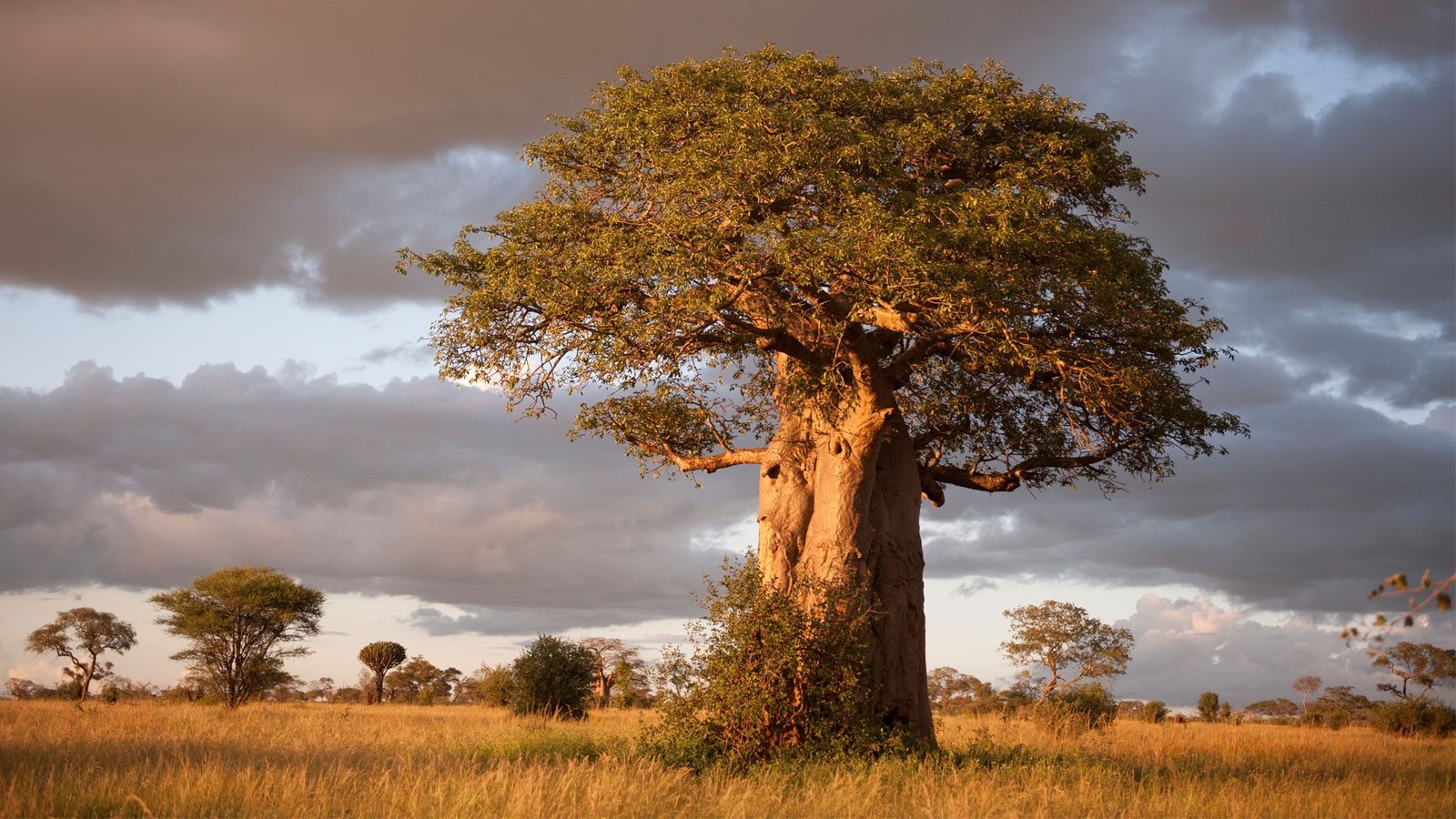
The iconic Babobab Trees of Tarangire National Park
When to visit
The dry season is considered the best time to visit Tarangire National Park for safari. Between June and October, the Tarangire River (the main source of water in the park running north – south through the park) attracts huge numbers of buffaloes, elephants, giraffes and many antelope species. Going on a Tarangire Safari at this time of the year offer incredible sights of huge concentration of animals rivalled only by those in the Ngorongoro Crater but, in the case of Tarangire, it is largely crowd-free.
The arrival of the short rains in November and December triggers a dispersal of animals away from the river, especially grazers like wildebeests and zebras. January and February are generally dry bit the rain returns in March and visitors should avoid the heavy rains of April and May when much of the park is in accessible and most camps close.
Where to stay in Tarangire National Park
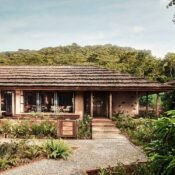
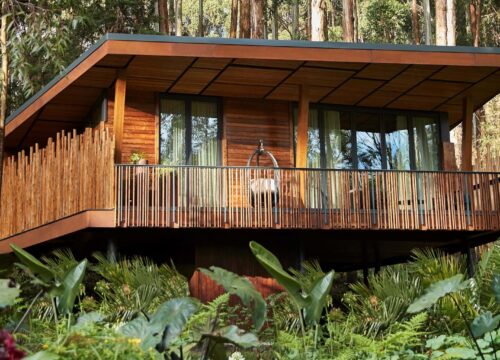
Tarangire National Park has a wide range of accommodation option catering for travelers, these are available inside the park and along its borders. Our best picks are
- Olivier’s Camp
- Little Chem Chem
- Kuro Tarangire Camp
- I am Tarangire.
- Tarangire Elephant Camp
- Forest Chem Chem
- Swala Camp, An A&K Sanctuary
- Lemala Mpingo Ridge Lodge
- Chem Chem Lodge
- Tarangire River Camp
- Tarangire Tree